Introduction
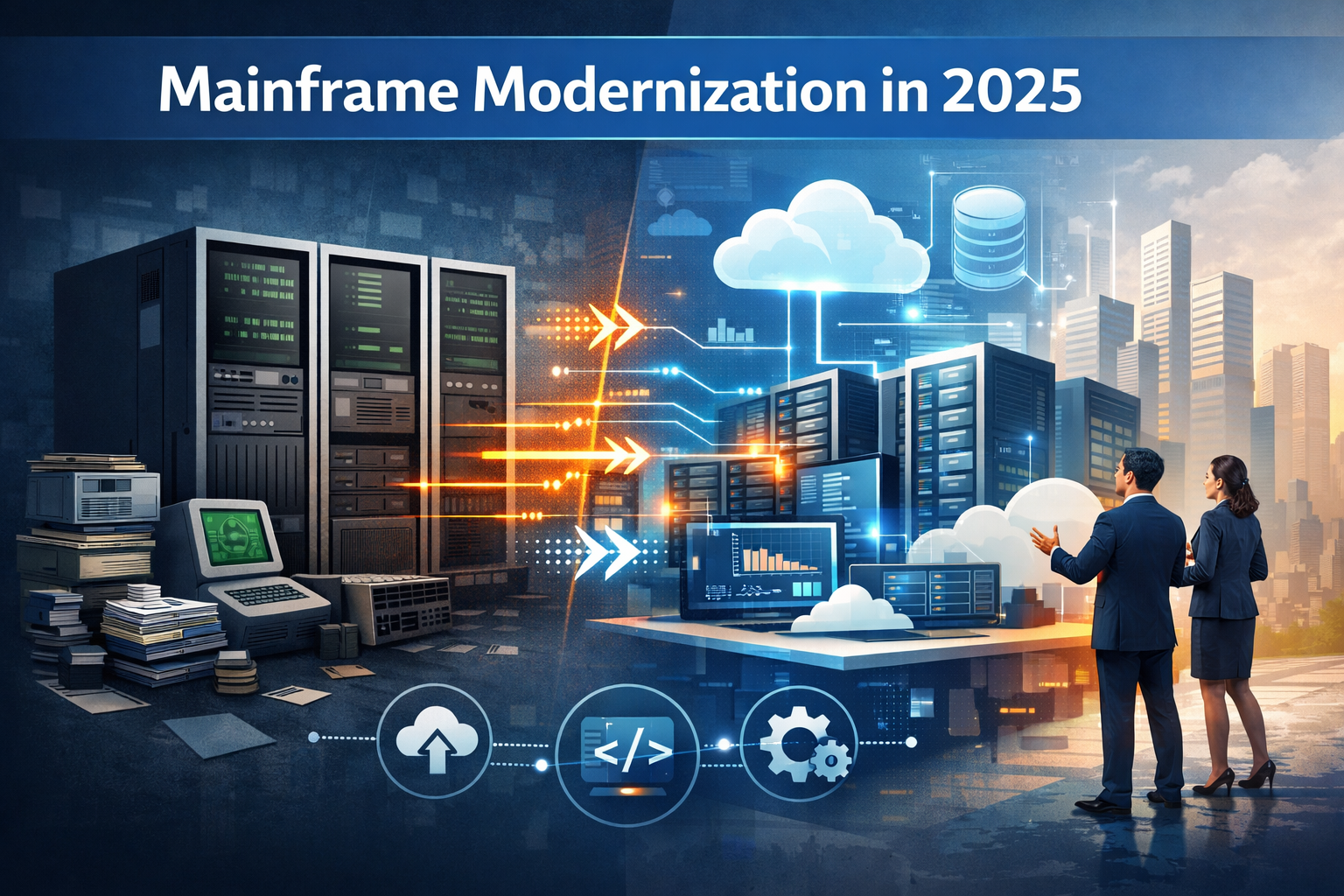
Mainframe modernization is the process of transforming legacy mainframe systems into secure, agile, and future-ready IT platforms that align with modern business and technology requirements. In 2025, enterprises continue to rely on mainframes for mission-critical workloads, but rising costs, skill shortages, and integration challenges make modernization a strategic necessity rather than an option.
Instead of replacing mainframes entirely, modernization focuses on extending their value while enabling digital transformation.
What Is Mainframe Modernization?
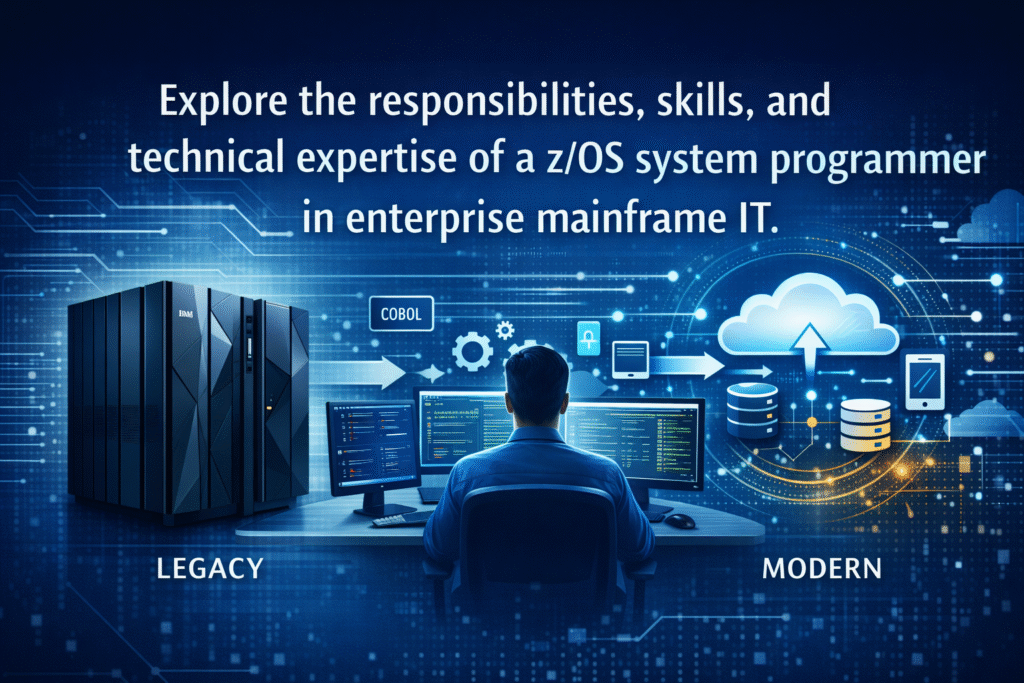
Mainframe modernization involves upgrading applications, infrastructure, processes, and skills to improve performance, scalability, security, and integration with modern technologies such as cloud, APIs, and DevOps tools. It allows organizations to preserve core business logic while adopting new development and operational models.
This approach ensures business continuity while reducing technical debt and operational risk.
Why Mainframe Modernization Is Important in 2025
In 2025, enterprises face growing pressure to innovate faster while maintaining reliability. Legacy mainframe environments often limit agility and increase operational costs. Mainframe modernization helps organizations:
Reduce high maintenance and licensing costs
Improve system agility and scalability
Integrate with cloud and modern platforms
Address mainframe skill shortages
Enhance security and regulatory compliance
Enable faster application development and deployment
Modernization ensures that mainframes continue to support digital initiatives instead of becoming bottlenecks.
Key Approaches to Mainframe Modernization
1. Application Modernization
Application modernization focuses on refactoring, re-platforming, or re-architecting legacy applications. This improves maintainability, performance, and integration while preserving business functionality.
2. Infrastructure Modernization
Infrastructure modernization optimizes existing mainframe environments and enables hybrid integration with cloud systems. This improves performance and flexibility without compromising reliability.
3. Data Modernization
Data modernization makes mainframe data accessible to analytics, AI, and reporting platforms. It allows enterprises to unlock insights without migrating critical data entirely off the mainframe.
4. DevOps and Process Modernization
By introducing DevOps practices, automation, and modern tooling, organizations can reduce deployment cycles, improve quality, and increase operational efficiency.
5. Skills and Corporate Training
Modernization is incomplete without people. Corporate training helps teams adapt to modern tools and practices while retaining mainframe expertise for long-term sustainability.
Benefits of Mainframe Modernization
Organizations that invest in mainframe modernization experience multiple business and technical benefits:
Lower total cost of ownership
Faster time-to-market for new features
Improved system resilience and security
Better integration with enterprise systems
Increased productivity and developer satisfaction
Long-term protection of legacy investments
These benefits make modernization a high-value, low-risk strategy when executed correctly.
Common Challenges in Mainframe Modernization
Despite its benefits, modernization comes with challenges such as complex legacy codebases, data dependencies, risk of disruption, and resistance to change. These challenges can be mitigated through phased modernization strategies, expert consulting, and continuous training.
A structured roadmap and clear business objectives are key to success.
How to Start Your Mainframe Modernization Journey
A successful mainframe modernization journey begins with an in-depth assessment of existing systems, business goals, and risk tolerance. Enterprises should adopt a phased approach that combines application modernization, infrastructure optimization, and corporate training to ensure long-term success.
Conclusion
In 2025, mainframe modernization is a critical enabler of enterprise digital transformation. By modernizing applications, infrastructure, processes, and skills, organizations can transform legacy systems into secure, agile, and future-ready platforms while maintaining business continuity and operational excellence.
Ready to modernize your mainframe systems in 2025?
Connect with our experts to build a secure, future-ready modernization roadmap.